

From toll roads and rail networks to water utilities and PPP assets, 4Scope brings infrastructure climate disclosure Australia operators need under AASB S2, IFRS S2, and TCFD into a single audit-ready platform with physical risk modelling and Scope 1, 2, and 3 emissions tracking.
Get your AASB S2 infrastructure readiness checklist


Lenders, super funds, and offshore investors price ESG reporting infrastructure Australia projects deliver against AASB S2 directly into the cost of capital and refinancing terms.
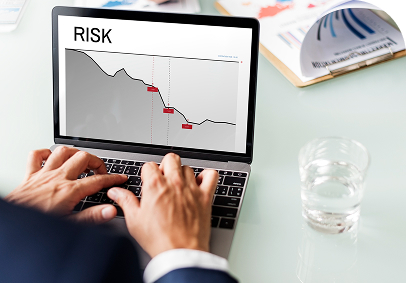
Floods, bushfires, heat events, and coastal surge already disrupt highways, rail corridors, ports, and grid assets. Boards now want quantified exposure mapped to every site and balance sheet line.

State treasuries are writing sustainability KPIs, embodied carbon caps, and climate resilience clauses into new concession agreements, refinance triggers, and availability payment structures across long-dated infrastructure deals.

Principal contractors must collect emissions, waste, and modern slavery data from thousands of subcontractors, suppliers, and joint venture partners working across linear and vertical infrastructure works.

By FY2030 climate statements will need reasonable assurance equivalent to financial audit. Internal spreadsheets, scattered SharePoint folders, and consultant decks will not survive an assurance review.
4Scope is the infrastructure sustainability data platform Australia operators are using to bring AASB S2 climate statements, GRI reports, and investor disclosures into one governed system. It connects directly to SCADA, EAM, GIS, finance, and contractor portals already running across your asset base.
Built on Microsoft Fabric with a Lakehouse architecture, the platform ingests metered energy, fleet fuel, water draw, waste streams, and supplier data, then runs the calculations, controls, and lineage your auditor will ask for. The result is a defensible single source of truth for emissions, physical risk, and social metrics across your full Australian portfolio.


Walk through a sample AASB S2 infrastructure disclosure built from your actual asset list, asset class mix, and reporting boundary. See exactly where your data gaps sit before Year 1 lodgement.

4Scope is the infrastructure physical risk software Australia operators use to map flood, bushfire, heatwave, cyclone, and coastal exposure to every site. Each asset is scored under RCP 4.5 and 8.5 scenarios out to 2050 and 2090.

4Scope works as carbon accounting software for infrastructure, automating fuel, electricity, refrigerant, and embodied carbon calculations using NGA factors and AusLCI datasets. Roll results up by asset, project, region, or concession for any reporting boundary.

Generate climate-related financial disclosures aligned to AASB S2 with traceable numbers, scenario narratives, governance evidence, and strategy commentary. Outputs mirror the standard’s exact paragraph structure.

Send tailored data requests to Tier 2 and Tier 3 suppliers, with reminders, validation rules, and document upload. Audit trail captures who submitted what, when, and against which contract.

Document governance, strategy, risk management, metrics, and targets in one workspace. Reuse evidence across AASB S2, GRI, CDP, and lender questionnaires without rebuilding the narrative.

Track facilities approaching NGER thresholds and Safeguard baselines in real time. Compare emissions intensity against declining baselines and model ACCU surrender scenarios per facility.

Capture workforce, safety, community, and modern slavery indicators across joint ventures and consortiums. Generate Modern Slavery Statements with linked supplier risk assessments and remediation logs.

Publish governed dashboards for super funds, sustainability-linked lenders, and rating agencies. Permission views by stakeholder so each audience sees only the metrics tied to their covenants.
We map your asset classes, equity interests, operational control, and consolidated reporting boundary against AASB S2 paragraph 20. You leave Week 1 with a defensible reporting perimeter.

Our engineers stand up connectors to your meters, ERP, EAM, GIS, fleet telematics, and contractor portals. Historical baselines are reconstructed for at least the prior comparative period.

We populate the climate statement, physical and transition risk assessments, scenario analysis, and Scope 3 categories. Internal audit and assurance providers review the draft inside the platform.

After lodgement, 4Scope runs continuously. Monthly close, board packs, lender reports, and pre-assurance walkthroughs are produced from the same governed data set.

The transport infrastructure ESG Australia module consolidates emissions, energy, and physical risk data across toll roads, motorways, tunnels, and intermodal terminals. It links each asset to its concession agreement, sustainability KPIs, and AASB S2 reporting boundary. Operators get a single source of record for both internal board reviews and lender disclosures.
Outcome: one climate statement covering every concession asset under AASB S2 Group 1.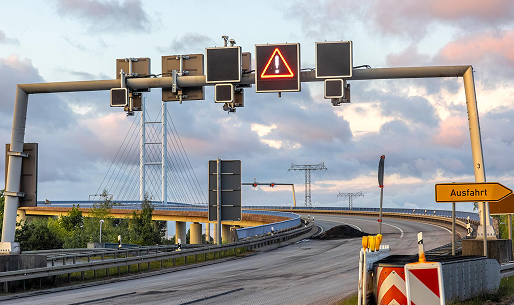
The rail and ports ESG software Australia gateway operators rely on captures traction energy, marine fuel, ground support emissions, and dredging volumes by terminal. Tenant submetering, slot allocation, and shipping line data feed directly into Scope 3 categories. State governments, lenders, and global customers receive the same numbers in their own report formats.
Outcome: TCFD-aligned reports for governments, lenders, and customers produced in one cycle.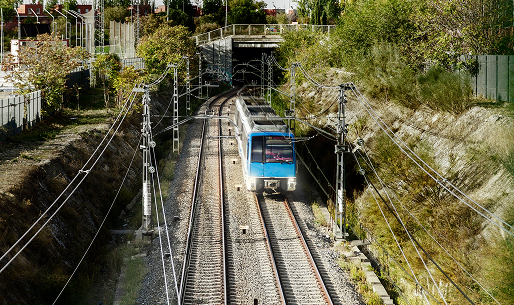
The utilities ESG software Australia regulators expect tracks emissions intensity, network losses, water leakage, fugitive gas emissions, and customer hardship metrics in one model. NGER, Safeguard, and economic regulator submissions reconcile to the same governed dataset. Climate statements and price-reset filings stop drifting apart between teams.
Outcome: AER, ESC, and IPART submissions reconciled to AASB S2 climate statement numbers.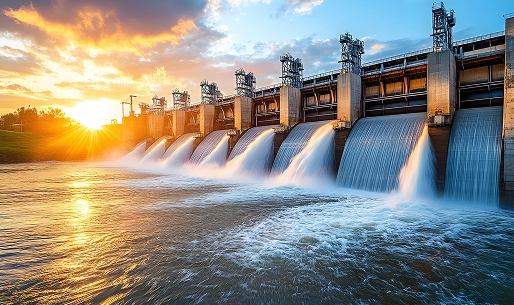
Principal contractors run the construction ESG platform Australia head contractors deploy across hundreds of active projects and thousands of subcontractors. Embodied carbon, waste diversion, modern slavery, and safety data flow up from site portals to head office. Joint venture splits and head-contract reporting are calculated automatically.
Outcome: project-level ESG data feeding head-contract reports and joint venture disclosures.
4Scope handles PPP ESG reporting Australia state treasuries now demand under sustainability-linked concession deeds and availability payment regimes. Concession KPIs, abatement targets, and resilience milestones are mapped to source data, contract thresholds, and independent reviewer evidence packs. Monthly, quarterly, and annual obligations across 25 to 40 year terms run automatically.
Outcome: concession-level dashboards mapped to KPIs, refinance triggers, and contract milestones.







Unlike generic carbon tools, carbon accounting software for infrastructure has to understand kilometre-based assets, multi-asset concessions, joint ventures, and consolidated equity reporting. 4Scope handles all of these out of the box.

Disclosure templates, scenario libraries, and assurance workpapers were built against AASB S2 final text, not back-ported from a European CSRD product or generic GHG calculator.

Sits inside your existing Azure tenancy as an infrastructure sustainability data platform Australia teams can govern through Purview, Entra ID, and your existing security baseline.

Implementation is led by data engineers and ESG specialists, not channel partners. Pricing, contracts, and SLAs are localised to Australian asset owners and PPP vehicles.

Every number carries lineage, formula, source system, and approver. Big Four assurance teams can drill from a published metric back to the raw meter read in seconds.
For large Australian asset owners covering toll roads, rail, ports, and utility networks, the top infrastructure ESG software is built on three pillars: an emissions engine using NGA and AusLCI factors, an asset-level physical risk module aligned to AASB S2 scenario requirements, and a contractor portal for Scope 3 capture. 4Scope combines all three on Microsoft Fabric, sits inside your Azure tenancy, and produces audit-ready climate statements traceable back to source meters, telematics feeds, and supplier submissions, removing the spreadsheet reconciliation that breaks under assurance.
The best platform for infrastructure climate disclosure Australia operators face under AASB S2 Group 1 must do four things: ingest operational data without manual rekeying, model physical and transition risk at asset level, generate disclosure narratives mapped to standard paragraphs, and survive reasonable assurance from 2030. 4Scope handles all four, with scenario libraries pre-loaded for RCP 4.5 and 8.5, equity and operational control consolidation logic, and full lineage on every number from raw source through to published statement and lender report.
Start by defining the reporting boundary under AASB S2 paragraph 20, then map asset classes, equity stakes, and operational control. Next, build the Scope 1, 2, and 3 inventory using NGA factors for Year 1, adding Scope 3 categories from Year 2. Run physical risk scenarios at asset level and transition risk at portfolio level, then document governance, strategy, metrics, and targets. 4Scope automates this sequence and embeds ESG reporting infrastructure Australia teams need to lodge defensible climate statements without rebuilding spreadsheets each cycle.
Tier 1 contractors need a construction ESG platform Australia head contractors can deploy across hundreds of active projects, multiple joint ventures, and thousands of subcontractors. Core requirements include embodied carbon tracking against EPDs, waste diversion by waste stream and tip, modern slavery data capture, safety and workforce indicators, and head-contract reporting back to principals. 4Scope provides project-level dashboards, supplier data portals with reminders and validation rules, and consolidated head-office views that feed group-level AASB S2 and GRI disclosures from one source of record.
Water, power, and gas utilities operate under overlapping regimes including AER, ESC, IPART, NGER, the Safeguard Mechanism, and now AASB S2. The best utilities ESG software Australia regulators and boards accept must reconcile to all of them from a single dataset. 4Scope tracks emissions intensity, network losses, water leakage, customer hardship, reliability, and regulatory KPIs in one model, then issues each regulator-specific submission from the same governed numbers used in the climate statement, avoiding the reconciliation gaps that trigger assurance findings.
Modern concession deeds bake sustainability KPIs, embodied carbon caps, and climate resilience milestones into availability payments and refinance triggers. To automate the PPP ESG reporting state treasuries and lenders now expect, project companies need ESG software for infrastructure projects with concession-level dashboards that map each KPI to source data, calculate compliance against contract thresholds, and produce evidence packs for the independent reviewer.
Transport assets generate emissions across traction energy, diesel fleets, tunnel ventilation, station lighting, and customer journeys. The best transport infrastructure ESG Australia operators select must consolidate these streams from SCADA, ticketing systems, depot meters, and fuel cards, then attribute results to corridors, lines, or concessions. 4Scope ingests these feeds directly, applies the latest NGA workbook factors, and produces both the financial-control consolidation for AASB S2 and the project-level reports state transport agencies require under their own sustainability and net zero strategies.
AASB S2 requires scenario-based physical risk analysis disclosed at a level of detail that lets investors understand asset exposure. The best infrastructure physical risk software Australia operators deploy combines climate hazard layers (flood, bushfire, cyclone, heat, sea level rise), asset GIS coordinates, and financial materiality thresholds. 4Scope scores every asset under RCP 4.5 and 8.5 to 2050 and 2090, links exposure to balance sheet value and revenue at risk, and exports the maps, tables, and narratives the climate statement actually needs for lodgement.
Portfolio-level ESG consolidation requires three things: a defined reporting boundary using equity or operational control logic, a common emissions and metrics taxonomy across asset classes, and automated data pipes from each asset’s operating systems. 4Scope handles each layer through a Microsoft Fabric lakehouse and a governed semantic model. Holding companies with toll roads, rail concessions, utilities, and PPP investments can produce a single AASB S2 statement while still issuing asset-level reports to lenders and concession authorities without manual reconciliation or duplicate data entry.
Airports and seaports manage complex emissions footprints across ground operations, marine vessels, ground support equipment, terminals, and tenant activity. The rail and ports ESG software Australia gateway operators prefer must allocate Scope 3 between operator, tenants, airlines, and shipping lines transparently. 4Scope provides terminal-level dashboards covering energy, marine fuel, dredging, waste, water, and noise, plus tenant submetering rollups and slot-based emissions allocation. This lets aviation and maritime operators meet AASB S2, CDP, GRESB, and customer Scope 3 requests from one consolidated dataset.
AASB S2 applies in three phased groups. Group 1 entities (largest, including most major infrastructure owners) began reporting for periods starting 1 January 2025. From Year 1 they disclose Scope 1, Scope 2, governance, strategy, risk management, and material physical and transition risks. Scope 3 and quantitative scenario analysis follow from Year 2. Reasonable assurance phases in toward FY2030. Infrastructure operators face heavier exposure than most sectors because long-lived, location-fixed assets carry significant physical risk and capital intensity, making detailed disclosure unavoidable from day one.
Water utilities report under economic regulators, the Bureau of Meteorology, state environment agencies, and now AASB S2. The right software must capture energy use across pumping and treatment, fugitive emissions from wastewater, water loss, biosolids, and customer hardship data. 4Scope models each step of the urban water cycle, links emissions to network assets, and produces both economic regulatory submissions and climate statements from the same numbers. Australian water businesses use it to avoid the reconciliation gaps that arise when ESG and regulatory teams work from separate spreadsheets.
Scope 3 for infrastructure principals is dominated by purchased goods and services, capital goods, fuel and energy upstream emissions, and waste. Tracking requires every Tier 1, 2, and 3 supplier to submit emissions, spend, and product data against the right GHG Protocol category. 4Scope sends tailored data requests through a contractor portal with validation rules and reminders, ingests supplier-provided EPDs, and applies hybrid spend-and-activity calculations where primary data is unavailable. The resulting Scope 3 inventory survives AASB S2 disclosure and external assurance review.
Generators, transmission, and distribution operators sit at the centre of the energy transition and the Safeguard Mechanism. They need a platform that handles facility-level emissions, network losses, renewable PPAs, settlement-grade data, and customer programs. 4Scope ingests NEM and AEMO data, plant-level fuel and generation, and DNSP customer feeds, then produces NGER, Safeguard, AER, and AASB S2 outputs from one model. This is increasingly important as transition plans, Capacity Investment Scheme bids, and lender ESG reviews all demand consistent numbers across regulatory and disclosure regimes.
TCFD’s four pillars (governance, strategy, risk management, metrics and targets) are carried forward into IFRS S2 and its Australian equivalent AASB S2 with extra prescription on scenario analysis, industry-based metrics, and Scope 3. Infrastructure operators already publishing TCFD reports can map existing content directly into AASB S2 templates, but must add asset-level physical risk quantification, transition plan narrative, and consolidated Scope 3 disclosures. 4Scope automates this mapping, preserving prior-year TCFD evidence while filling AASB S2 gaps through structured workpapers tied to source data.
ESG software for infrastructure projects should combine carbon accounting software for infrastructure with physical risk modelling, contractor data capture, and disclosure output in one governed system. That means Scope 1, 2, and 3 calculations using NGA and AusLCI factors, asset-level hazard scoring under RCP scenarios, supplier portals for Tier 2 and 3 submissions, and AASB S2, GRI, and lender report generation from the same dataset. 4Scope delivers each of these on Microsoft Fabric with full lineage from published metric back to source meter or supplier submission.