

Environmental, Social and Governance (ESG) practices have transitioned from external efforts to a business strategy. Yet clarity on the reasons ESG matters hasn’t led to operational competence. Most organizations still struggle to link three important pillars – accurate data, transparent reporting and strategic decision making.
ESG consultants bridge this execution gap–bringing structure, compliance rigor and actionable intelligence. When combined with dedicated ESG reporting software such as 4Seer, this combination provides a robust basis for maintaining sustainable performance.
This blog examines how consultants impose discipline on ESG operations, and how a blend of their expertise and the right technology platform enables measurable and long-term impact.
Most companies start their ESG journey with intention but quickly run into operational friction. The first breakdown occurs at the data level. ESG metrics come from disparate sources – operations, HR, supply chain, safety, finance. Without unified collection protocols, data is fragmented, inconsistent or incomplete, destroying reliability.
The second challenge is disclosure alignment. ESG frameworks such as GRI, BRSR, SASB, CSRD – all have different requirements. Companies struggle to determine which standard applies, and how to map their data accordingly. The result: reports that are not clear, fail compliance checks or confuse stakeholders.
Even when data is collected and reports are generated, many organizations fail to extract decision grade insights. Leaders want to understand risk exposure, resource efficiency and strategic implications-not compliance documentation. Without this translation layer, ESG remains a reporting exercise rather than a performance driver.
ESG consultants correct these misalignments by introducing methodology, governance and strategic clarity.
Disorganized ESG data leads to more than reporting inefficiencies – it has a direct impact on financial and operational outcomes. When information is spread across teams, systems and spreadsheets, companies are unable to identify cost leakages, track resource consumption or quantify risk exposure accurately.
This leads to higher than necessary operating costs, sluggish decision cycles and underperforming sustainability strategies. Inconsistent data also erodes investor confidence, as stakeholders increasingly demand verifiable ESG progress. By centralizing and standardizing data management, companies build both financial health and market credibility.
Related: The Power of ESG in Strengthening Your Brand and Winning Customers
Legacy ESG tracking was based on emails, spreadsheets and department-level trackers. That strategy is no longer viable. Leading organizations now use integrated ESG data ecosystems (centralized environments where environmental, social and governance metrics automatically flow in real-time).
This change provides greater accuracy, reporting cycles and cross-functional visibility. It also allows for collaboration, by making ESG performance available to leadership, HR, operations and compliance teams simultaneously.
Consultants start by discovering where ESG-related data currently resides – in spreadsheets, internal systems, on vendor platforms. This mapping exercise removes blind spots and establishes a comprehensive view of the company’s ESG footprint.
Departments tend to report in varying formats, which creates inconsistency. Consultants bring standardized methodologies with international norms, ensuring data is comparable and audit-ready across all frameworks.
Consultants develop clear workflows that establish what data to collect, who owns it and how often it’s collected. This removes last minute gaps and helps to ensure discipline over the course of the reporting cycle.
Before data enters into disclosures, it needs to be verified. Consultants help build validation protocols, audit trails and quality gates to provide accuracy and stakeholder trust with minimum reputational risk.
To curb manual errors and speed up workflows, consultants suggest the use of ESG purpose-built platforms. These systems automate the data into the pipeline, centralize data inputs and maintain continuously updated records – freeing up teams to focus on the analysis, rather than administration.
ESG Consultants help guide companies in establishing internal governance structures – training teams, defining roles, establishing policies. The goal here is to make sure the organization is able to manage ESG data responsibly as regulations evolve, making sustainability a permanent capability.
Consultants bring expertise, ESG software brings automation and scale. Platforms such as 4Seer support integrated capabilities to magnify the impact of consulting:
Together, consulting guidance and technology create a unified ESG ecosystem – one that’s compliant, scalable and built for long-term performance.
ESG consultants transform fragmented processes into structured, compliant and strategically valuable operations. They standardize data collection, ensure alignment to regulations and translate data collection into executive-grade intelligence. But their impact is exponential if backed by the right technology.
With 4Seer, companies get automated data management, multi-framework reporting and real-time intelligence – transforming ESG from a compliance burden into a competitive advantage. The result is faster disclosures, enhanced stakeholder confidence and measurable business impact.
Create a stronger powerhouse with 4Seer- your integrated platform for accurate data management, transparent reporting and real-time insights. Book a demo today and make your ESG strategy confident and data-driven decision making.
Continue Reading: Simplifying ESG Reporting: How 4Scope Streamlines Compliance Across Frameworks

In the realm of sustainability reporting, ESG reporting has become...
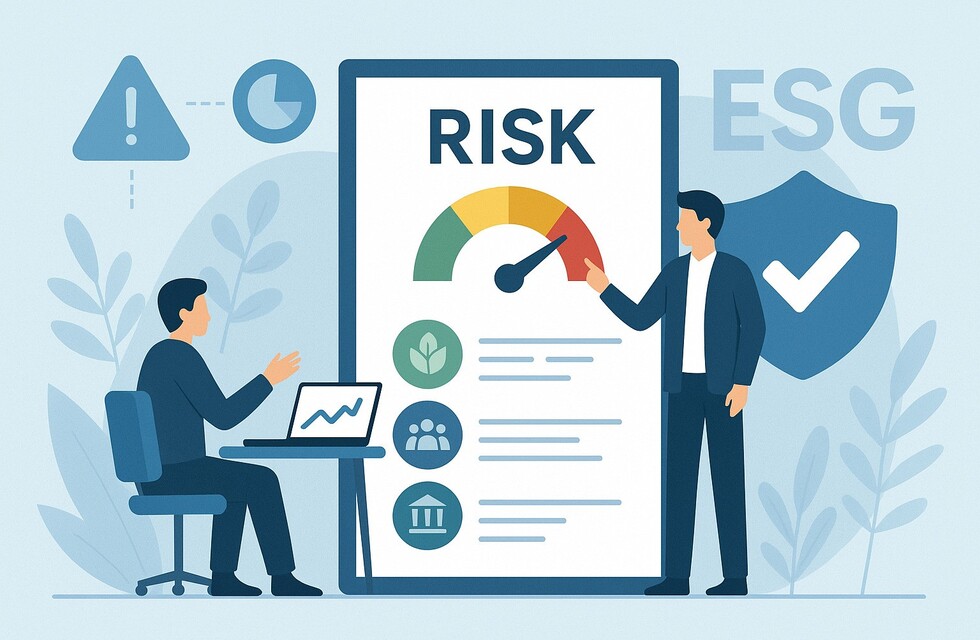
Managing Environmental, Social and Governance risks has become a key...

Today, Environmental, Social and Governance (ESG) factors are more than...

In the ever-changing, ever-competitive world of businesses with towering heights...

An ESG readiness assessment is a helpful way to check...

Sustainability disclosure has shifted from voluntary practice to regulatory mandate....

Environmental, social, and governance (ESG) factors are becoming increasingly important...

In an increasingly regulated world, companies need to report their...

In today's world, the need for sustainable business practices has...

The best opportunities are not the riskiest or priciest but...

CFOs Are Now Data Orchestrators, Election News Moves Markets, FICO...

In the wake of all the worries surrounding climate change,...

Over the 20th Century, business organizations have earned themselves the...

Have you ever wondered why certain investments result in better...

As new climate, human capital, and other sustainability disclosure and...

Environmental, Social and Governance (ESG) factors are becoming more important...

Businesses today have become more aware of the need to...
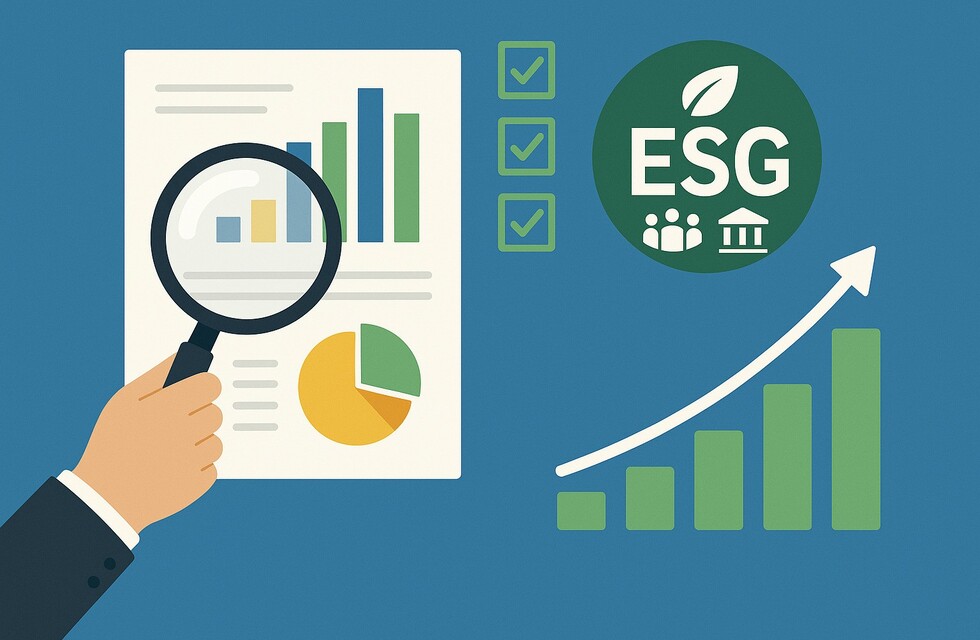
ESG (Environmental, Social and Governance) is now a key factor...

In today’s fast-changing business world, sustainability is not something optional;...

Contemporary business practices have expanded to serve various values at...
 Back To Previous Page