
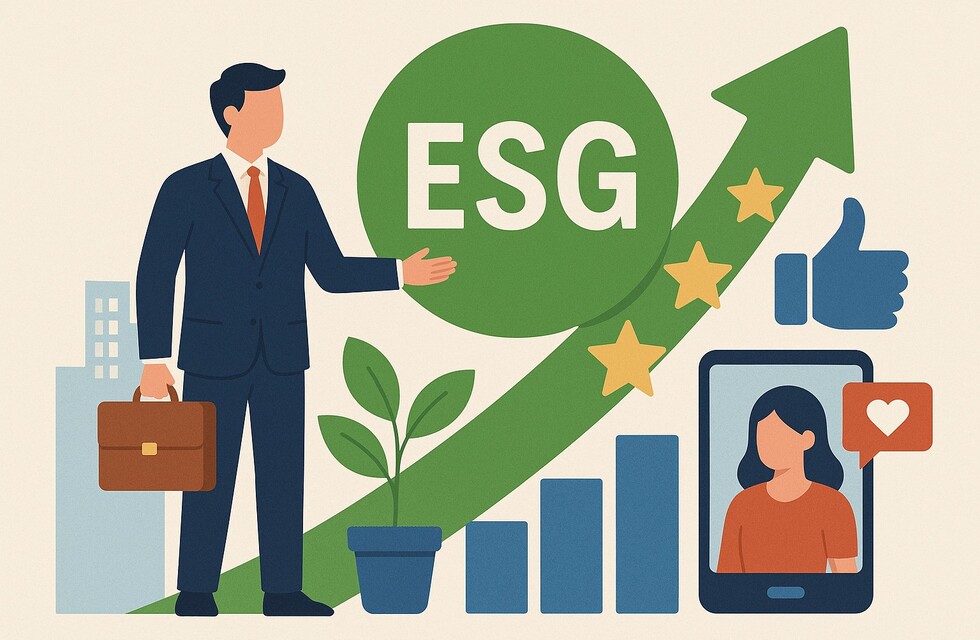
Today, Environmental, Social and Governance (ESG) factors are more than just popular terms. They are a key part of how successful businesses operate and succeed. Companies that focus on ESG are not just helping the planet or supporting communities; they are also building stronger reputations and enhancing their brand value.
By taking ESG seriously, businesses earn the trust of customers, investors and employees. In this blog, we will look at how adopting ESG practices can boost a company’s image and brand while also building deeper customer loyalty and trust. So, let us start!
Today, more investors, employees and customers care about social and environmental issues. Because of this, ESG (Environmental, Social and Governance) factors have become a big part of how people judge companies.
It is no longer just about profits, as businesses are now expected to show they care about the planet and society too. This growing focus on ESG is helping shape how people view a company’s reputation and the strength of its brand.
Also Read: Transform Your Business with Effective ESG Integration
A company’s reputation shows how much people trust and respect it. ESG efforts play a big role in shaping that reputation. That is because people today are more likely to support companies that care about the planet, treat people fairly and act responsibly.
When a company takes ESG seriously, it shows that the company is responsible and future-focused. It helps build trust with customers, other partners and investors.
Companies that focus on ESG are often more appealing to job seekers, especially younger workers, like millennials and Gen Z. These groups want to work for businesses that match their values.
Good ESG practices help avoid problems that could damage a company’s image, like environmental accidents or poor workplace practices.
In short, ESG is not just about doing good; it also helps businesses earn trust, attract talent and avoid serious risks.
Suggested Read: Why Embracing Sustainability Drives Business Success
A company’s brand value is more than just money; it is about how much people trust the brand and how loyal they are to it. ESG efforts can make a big difference here. They help companies stand out and attract customers who care about doing the right thing.
When people see a brand as ethical and eco-friendly, they are often happy to pay more for its products. For example, Allbirds is a sustainable footwear brand that uses natural materials, like sugarcane and merino wool-based soles.
Their shoes are priced higher than average sneakers, but customers still embrace the cost due to the brand’s transparent carbon footprint and eco-friendly mission.
Today’s buyers want to support companies that match their beliefs. In this case, brands that focus on ESG values tend to build stronger customer loyalty. For example, Ben & Jerry’s has built its brand on progressive values. They advocate for climate justice, LGBTQ+ rights and racial equality.
Their strong support for social causes connects well with people who care about doing good. This turns regular ice cream buyers into loyal fans who believe in the company’s values. Even though their ice cream costs more, customers stay loyal because they support what the brand stands for.
ESG pushes companies to think differently and come up with better, more substantial solutions. That is why focusing on ESG can lead to creative new products, business models and services.
For example, BMW introduced the i Vision Circular, a concept car made entirely from recycled materials and designed to be 100% recyclable. This bold step toward circular design shows how ESG values can drive truly innovative thinking in even the most established industries.
Start by reviewing your current customer experience to see where your ESG efforts stand. Look for areas where adding sustainable or ethical practices can improve how people see your brand and build customer trust.
Train your employees to understand ESG values and how to include them in daily customer interactions. Make sure your customer support teams can clearly and honestly explain your company’s sustainability efforts.
Use technology to make your operations more eco-friendly and efficient. For example, AI can help reduce waste, and digital tools can make your processes more honest and open.
Set clear goals and ways to measure your ESG efforts in customer experience. Regularly check how customers feel about your actions and make changes based on their feedback and results.
The influence of ESG on a company’s reputation and brand value is more important than ever. As customers, employees and investors start to care more about sustainability and doing the right thing, companies that focus on ESG are gaining trust, building stronger brands and creating long-term success.
Real-life examples show that when businesses make ESG a core part of their strategy, they not only help the planet and society but also benefit them in big ways. On the other hand, companies that ignore ESG may fall behind. So, drive brand trust with data-backed ESG strategies today. Get in touch with 4Seer to transform your ESG goals into measurable results.

In today's world, the need for sustainable business practices has...

Have you ever wondered why certain investments result in better...
ESG (Environmental, Social and Governance) is now a key factor...

In the wake of all the worries surrounding climate change,...
Environmental, social, and governance (ESG) factors are becoming increasingly important...

CFOs Are Now Data Orchestrators, Election News Moves Markets, FICO...

As new climate, human capital, and other sustainability disclosure and...

The IFRS Foundation unveiled significant progress towards the establishment.

In today’s fast-changing business world, sustainability is not something optional;...

Over the 20th Century, business organizations have earned themselves the...

Businesses today have become more aware of the need to...

In the ever-changing, ever-competitive world of businesses with towering heights...

In an increasingly regulated world, companies need to report their...
Managing Environmental, Social and Governance risks has become a key...

Contemporary business practices have expanded to serve various values at...

In the realm of sustainability reporting, ESG reporting has become...

Environmental, Social and Governance (ESG) factors are becoming more important...

The best opportunities are not the riskiest or priciest but...
 Back To Previous Page