
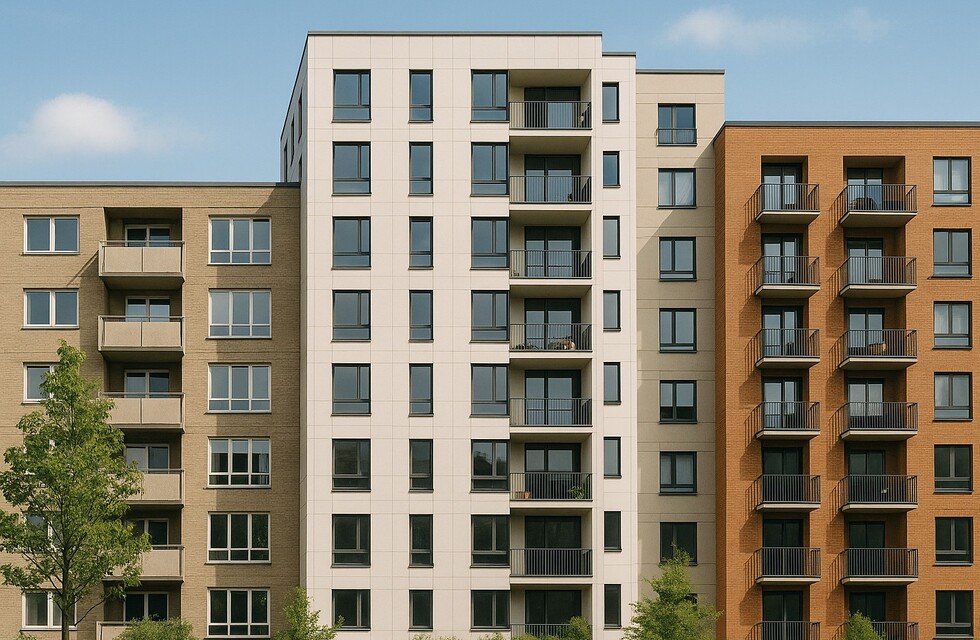
Environmental, Social and Governance (ESG) factors are becoming more important in how businesses plan and operate. These factors are also changing the real estate industry and how buildings and cities are developed around the world. The real estate sector is responsible for 42% of the world’s carbon dioxide emissions. It means that any business that owns or uses buildings needs to think about how ESG practices fit into their plans.
ESG is no longer just an operational extra; it is now a key part of managing investment choices, following rules and regulations and deciding how much a property is worth over time.
This blog looks at why ESG matters, what companies are doing about it now and how it affects the real estate market. By understanding the advantages of ESG in real estate, businesses can stay ahead of the competition and work toward a more sustainable future.
ESG stands for Environmental, Social and Governance. In real estate, it means making smart, responsible choices that are good for people, the planet and long-term business success. These are three important areas used to measure how sustainable and responsible a property or real estate investment is, and not just how much money it makes.
Using ESG principles in real estate helps create better places to live and work while also building trust and long-term value.
Also Read: Transform Your Business with Effective ESG Integration
To understand how well a real estate project supports sustainability and responsibility, it is helpful to look at key ESG indicators. Here are some simple ways to measure them:
These indicators help track a property’s environmental impact, social responsibility and ethical management.
More and more studies are showing that properties with strong ESG features tend to do better financially than traditional buildings. Here is how ESG can make a real difference:
Buildings with ESG certifications, like green or energy-efficient buildings, often earn more rent. Research from CBRE shows that LEED-certified buildings in Europe earn a rental premium of approximately 6% over their non-certified counterparts.
The same CBRE study found that certified green buildings can be worth 14-16% more than similar properties without green features.
ESG-certified buildings offer healthier, more comfortable spaces that boost tenant satisfaction and retention. This leads to fewer vacancies, longer leases, and up to a 5% increase in rental income, according to EY research.
ESG-focused properties are more likely to meet current and future regulations on energy use and emissions, and may qualify for government incentives or tax breaks.
Properties with strong ESG practices are better prepared for regulatory changes, climate risks and shifting market demands, which reduces long-term risks for investors.
Energy-saving systems in certified buildings help reduce day-to-day costs. For example, EY’s case study showed a 2.5 to 5.0% drop in maintenance costs for shared spaces.
ESG encourages the use of smart building technologies, like energy management systems and IoT devices, which improves operational efficiency and tenant experience.
Many banks and lenders now offer lower interest rates or better loan terms for ESG-aligned buildings due to their lower risk and sustainability credentials.
According to EY, when you continue higher rents, lower vacancy rates and lower running costs, green-certified buildings can be worth 10% to 21% more than non-green ones.
Owners and developers with strong ESG commitments enhance their reputation, which attracts more tenants, investors and partnerships.
In a nutshell, buildings that follow ESG principles do not just help the planet; they can also make more money, cost less to run and increase in value over time. This makes them a smart choice for investors and property owners alike.
Adopting ESG in the real estate sector is not just a passing trend; it is a smart, long-term strategy for creating a more sustainable future. By focusing on sustainability, either when building new properties or upgrading existing ones, owners and investors can lower greenhouse gas (GHG) emissions, cut energy bills and increase the value of their assets.
In the long run, choosing environmentally friendly options not only helps fight climate change but also gives businesses and investors a competitive edge in a market that is quickly evolving.
With 4Scope, 4Seer provides a powerful ESG reporting software that helps real estate professionals turn ESG challenges into real advantages. Our software simplifies complex sustainability data to offer clear insights for smarter decisions, better reporting and stronger performance.
Ready to boost your ESG strategy? Contact our team today to see how 4Scope can streamline your sustainability efforts and add real value to your property portfolio.

The IFRS Foundation unveiled significant progress towards the establishment.

Contemporary business practices have expanded to serve various values at...

Environmental, social, and governance (ESG) factors are becoming increasingly important...

Over the 20th Century, business organizations have earned themselves the...
Today, Environmental, Social and Governance (ESG) factors are more than...

In the ever-changing, ever-competitive world of businesses with towering heights...

In an increasingly regulated world, companies need to report their...

In today's world, the need for sustainable business practices has...

CFOs Are Now Data Orchestrators, Election News Moves Markets, FICO...

In the realm of sustainability reporting, ESG reporting has become...

In today’s fast-changing business world, sustainability is not something optional;...
Managing Environmental, Social and Governance risks has become a key...

Have you ever wondered why certain investments result in better...

In the wake of all the worries surrounding climate change,...
ESG (Environmental, Social and Governance) is now a key factor...

As new climate, human capital, and other sustainability disclosure and...

Businesses today have become more aware of the need to...

The best opportunities are not the riskiest or priciest but...
 Back To Previous Page