
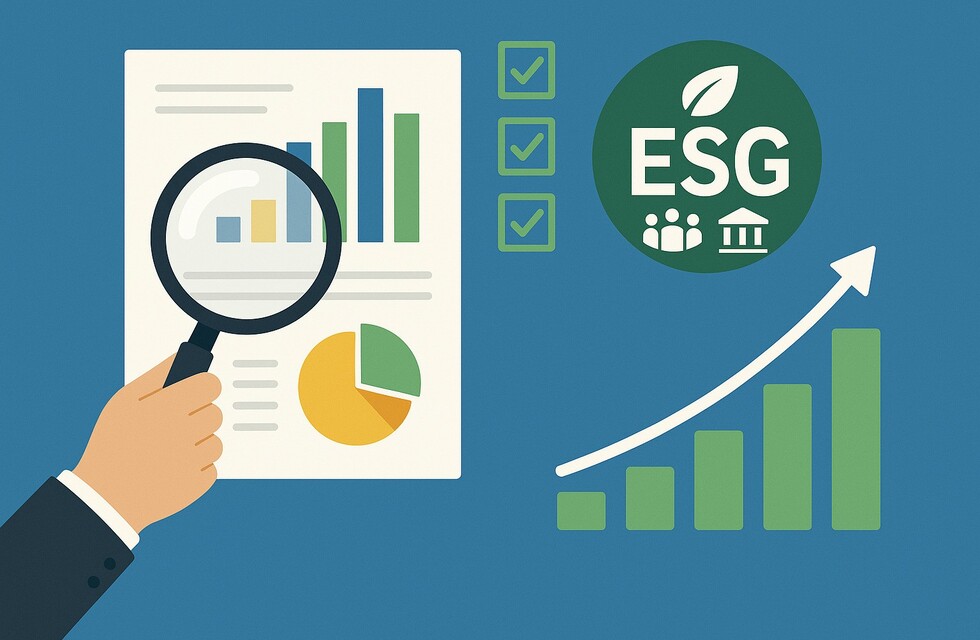
ESG (Environmental, Social and Governance) is now a key factor in business that matters to stakeholders for several reasons. Regulators seek accountability, investors want strong financial returns and consumers value ethical practices – key parts of today’s business values. You need clear ESG transparency to prove your commitment to these principles.
It builds trust and shows that your company is genuinely committed to responsible practices. Furthermore, with climate change becoming a bigger concern, companies are under more pressure to reduce their environmental impact. Social media can quickly spread negative feedback, so companies that neglect social responsibility risk facing backlash.
Moreover, bad governance can lead to legal issues and damage investor trust. Therefore, being transparent, ethical and well-managed is crucial for success. This guide explains how to make ESG transparency a reality for your business.
ESG stands for Environmental, Social and Governance. It is a way of investing that focuses on how companies impact the environment, treat their people and are managed. Investors use ESG to evaluate and compare companies based on these factors.
Also Read: Transform Your Business with Effective ESG Integration
Good transparency sustainability involves these key qualities:
Organizations are continuously evolving their focus on ESG (Environmental, Social and Governance) and sustainability. Two main areas that need attention are transparency in operations and maintaining strong ethical standards.
Companies are putting more effort into ensuring that their supply chains are sustainable and transparent while also embracing technology and innovation to improve cybersecurity and resilience.
Consumers are increasingly making purchasing decisions based on sustainability and ethics. They are also willing to pay more for products that are ethically sourced and environmentally friendly. As companies make more public commitments to sustainability, they must ensure their actions align with their promises. Failing to do so could result in brand damage and potential legal consequences.
Investors are also paying more attention to how businesses handle ESG issues. They may quickly withdraw their investments if a company’s ESG practices are not up to standard. Being upfront and honest in reporting ESG efforts builds trust and avoids the risks of misleading claims, also known as greenwashing.
In a nutshell, transparency sustainability is crucial for two main reasons:
Being transparent shows that your company is serious about ESG, builds trust with stakeholders, improves your reputation in the industry and can increase your company’s long-term value.
Related: Why Embracing Sustainability Drives Business Success
Being transparent in ESG reporting is crucial for gaining trust from all your stakeholders- investors, customers, employees and the community. When your company shares ESG information, it shows that it is willing to be held accountable and is honest about its activities.
Openness in reporting helps stakeholders feel more assured that the company is dedicated to long-term sustainability. Over time, consistent and accurate reporting builds trust that strengthens the company’s reputation for integrity and reliability.
You need to take clear actions and stay committed to honesty to ensure transparency in ESG. To implement clear ESG reporting in your company, here are some steps to follow:
Set up systems to gather and process ESG data quickly. With AI tools, this becomes easier and more efficient. Start by identifying the important ESG metrics that align with your company’s values and industry standards. These include:
Leverage technology to collect and analyze data efficiently. Use advanced tools and analytics for data collection and to spot trends. A good ESG reporting software like 4Scope can also help organize and present data in a clear format.
Even with advanced AI, trained professionals must review the data to ensure accuracy.
Once data is collected, develop clear reporting formats using standardized methods. In other words, choose a well-known ESG reporting framework like SASB, TCFD or GRI, based on what your stakeholders expect.
Make sure your reports are simple and visually engaging by including graphs, charts and infographics. Provide context and explain the data by highlighting key achievements and future goals to make the report more relatable.
Share ESG updates consistently without waiting for pressure from stakeholders.
Keep an open line of communication through surveys, forums or Q&A sessions to show your commitment to transparency sustainability.
By following these steps, your company can build transparent and effective ESG reporting that strengthens trust with stakeholders.
The need for clear and honest ESG reporting is stronger than ever. As companies face sustainability challenges and opportunities, transparency plays a key role in building trust, managing risks and making a positive impact. ESG transparency is important because it shows a company’s commitment to these values, which help stakeholders assess its future.
Moreover, transparent ESG reporting allows companies to go beyond traditional accountability and embrace a new way of engaging with stakeholders and creating value. Good ESG data transparency means being proactive, honest and using the best tools and expertise.
For an efficient ESG reporting process, 4Scope is the best ESG reporting software that offers robust features. You can use our software to collect, analyze and present data with ease and accuracy. So, what are you waiting for? Take action today and start implementing clear and transparent ESG practices with 4Scope!

As new climate, human capital, and other sustainability disclosure and...

The IFRS Foundation unveiled significant progress towards the establishment.

Contemporary business practices have expanded to serve various values at...

Have you ever wondered why certain investments result in better...

The best opportunities are not the riskiest or priciest but...
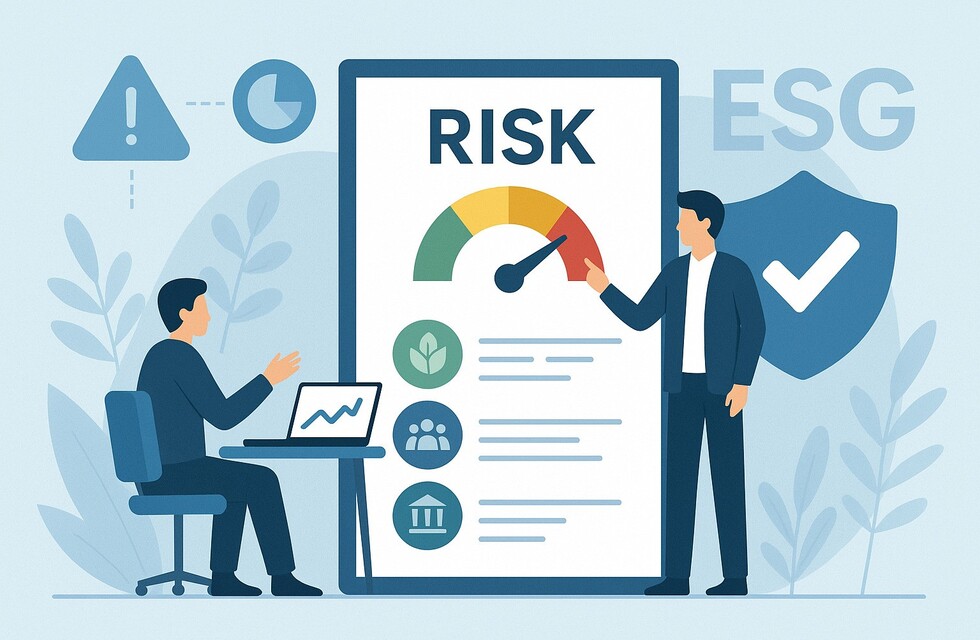
Managing Environmental, Social and Governance risks has become a key...

In an increasingly regulated world, companies need to report their...

An ESG readiness assessment is a helpful way to check...
Sustainability disclosure has shifted from voluntary practice to regulatory mandate....

Environmental, social, and governance (ESG) factors are becoming increasingly important...

CFOs Are Now Data Orchestrators, Election News Moves Markets, FICO...
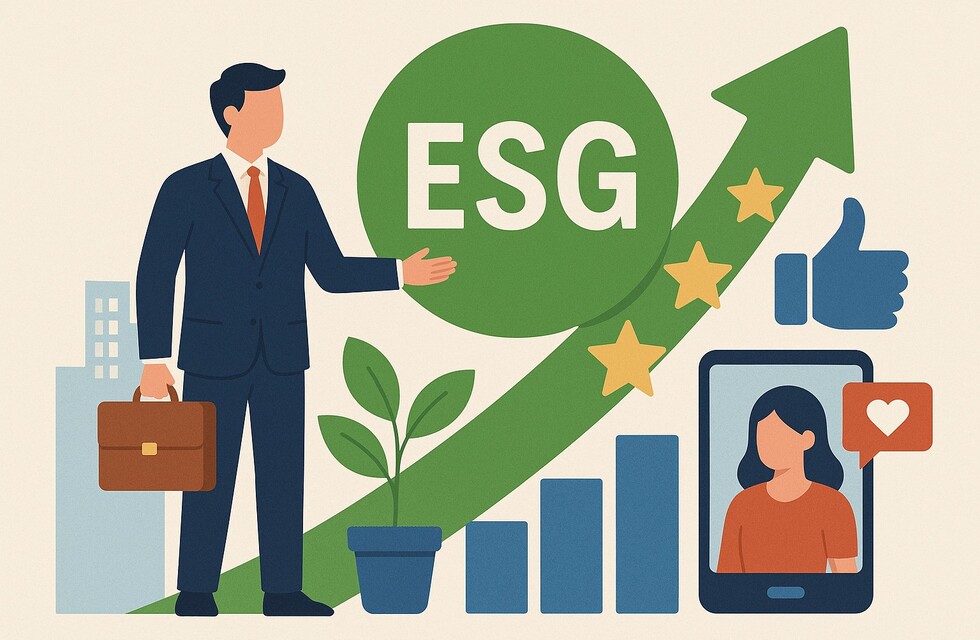
Today, Environmental, Social and Governance (ESG) factors are more than...

Over the 20th Century, business organizations have earned themselves the...

In the realm of sustainability reporting, ESG reporting has become...

Environmental, Social and Governance (ESG) factors are becoming more important...

In today's world, the need for sustainable business practices has...

Businesses today have become more aware of the need to...

In today’s fast-changing business world, sustainability is not something optional;...
Environmental, Social and Governance (ESG) practices have transitioned from external...

In the wake of all the worries surrounding climate change,...
 Back To Previous Page